TLDR;
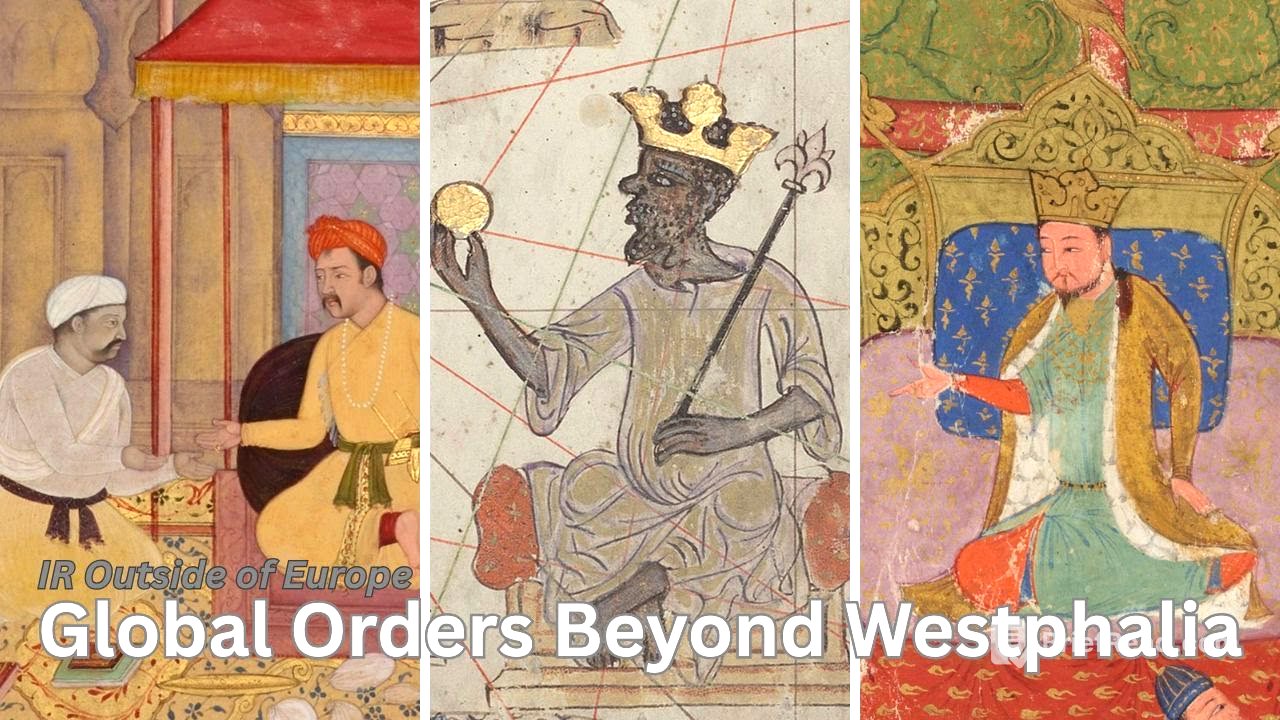
This video challenges the Eurocentric view of international relations (IR) by exploring non-Western state systems. It argues that IR's foundational narratives are rooted in the Western experience, particularly post-Westphalia Europe, which emphasizes sovereign states and anarchy. The video proposes examining alternative systems like China's tribute system, Islamic caliphates, and pre-colonial African systems to broaden our understanding of global order. Key takeaways include:
- IR is Eurocentric in theory and practice, generalizing European history to the rest of the world.
- Non-Western systems offer different logics of order, challenging concepts like sovereignty and anarchy.
- A truly global IR discipline requires exploring alternative frameworks and recognizing the plurality of international systems.
Introduction: Beyond Westphalia [0:00]
The video starts by questioning the Eurocentric origins of international relations, where the discipline is largely based on European history, particularly the Peace of Westphalia. It challenges the assumption that the state is the central actor and that concepts like sovereign equality and anarchy are universal. Instead, it proposes exploring non-Western systems like the Chinese tribute system, Indian Ocean trade routes, and Islamic caliphates as alternative starting points for understanding international relations. The aim is to broaden the understanding of the international system by taking these non-Western traditions seriously.
The Eurocentric Nature of IR [1:13]
The discussion highlights that international relations as a discipline is deeply rooted in the Western experience, particularly the Westphalian model. This model assumes states are the primary actors, sovereignty is absolute, and power is exercised through diplomacy and war. However, these assumptions are not universal and are specific to a particular time and place. The video argues that IR is Eurocentric both in theory and practice, often treating non-Western systems as deviations or exceptions. It suggests starting from different points, such as China's tribute system, to challenge the foundations of how we study and understand global order.
China's Tribute System [4:06]
For over a thousand years, China organized international relations in East Asia through the tribute system. This hierarchical framework was based on the idea that the Chinese emperor was the "son of heaven." Neighboring states sent tribute missions to the imperial court in exchange for recognition, trade, and stability. The system was rooted in ritual hierarchy and cultural exchange, sustained by China's cultural and technological dominance. Unlike the Westphalian system, the East Asian order was hierarchical and relational, fostering regional stability until undermined by Western imperialism in the mid-19th century. The legacy of the tribute system offers a different perspective on global order outside the West.
The Indian Subcontinent and Indianization [6:02]
South Asian empires, like the Mayora and Mugal empires, exercised regional influence through military strength, religious pluralism, and patronage of diverse traditions. They managed vast multi-ethnic territories through flexible governance, prioritizing stability over uniformity. Legitimacy was rooted in dharma, a moral and cosmic order. Indianization, the diffusion of culture and ideas across Southeast Asia, operated through soft power, trade, and marriage alliances. This emphasized cultural adaptability and civilizational prestige over fixed borders or sovereign rights, offering a different vision of international order compared to the European model.
The Islamic Caliphates [8:03]
From the 7th century, the Islamic world developed a trans-regional political order centered on the caliphate. This system combined religious legitimacy with political governance, grounding international relations in membership within the UMA, the global community of believers. The caliphate system provided a model of international relations based on legal and moral norms, with detailed theories about treaties and the ethics of war. Authority derived from fidelity to divine law rather than territorial borders. The legacy of the caliphates continues to influence modern Islamic political thought, emphasizing values in international order.
The Mongol Empire [10:01]
The Mongol Empire in the 13th century created an expansive and interconnected political system. Built on mobility, communication, and strategic integration, the Mongol world order was committed to religious tolerance and the protection of trade routes. The Yam system facilitated secure travel and communications across Eurasia, fostering cross-cultural exchange. Mongol rule prioritized order, taxation, and connectivity over assimilation. The Mongol continents operated as a loosely federated system united by kinship ties and common norms, challenging state-centric assumptions of IR by maintaining empire and legitimacy without fixed borders or uniform institutions.
Pre-Colonial Africa [11:52]
Across pre-colonial Africa, diverse political systems emerged that challenge Western assumptions about states and international systems. Power was often measured by control over people rather than territory, with political authority resting in kinship networks and personal alliances. Empires like Mali gained prominence through trade routes, while Swahili city-states connected Africa to the Indian Ocean world through commerce and shared maritime culture. These systems emphasized mobility, plural authority, and negotiated power, resulting in an international system marked by interdependence and trade-based diplomacy rather than sovereignty and militarized borders.
The Americas Before European Contact [14:17]
Before European contact, the Americas were home to complex state systems like the Aztec and Incan empires. The Aztecs built religious and political hierarchies, while the Incas created a sophisticated empire managed through roads and labor obligations. In North America, the Hodnosani Confederacy united nations through a constitution emphasizing consensus and collective decision-making. These systems demonstrate that complex political orders can emerge without formal sovereignty or written international law, organizing authority through cosmology and social networks.
Conclusion: Towards a More Inclusive IR [16:31]
The case studies demonstrate that the international order has never been the exclusive domain of Europe. Non-Western societies developed diverse systems for managing political relationships across borders, challenging assumptions of mainstream IR theory. These systems were often hierarchical, emphasizing moral order and religious legitimacy, and operated through kinship and trade. To build a truly global discipline, IR needs to move beyond adding non-Western cases to existing theories and explore alternative frameworks, recognizing the plurality of international systems.