TLDR;
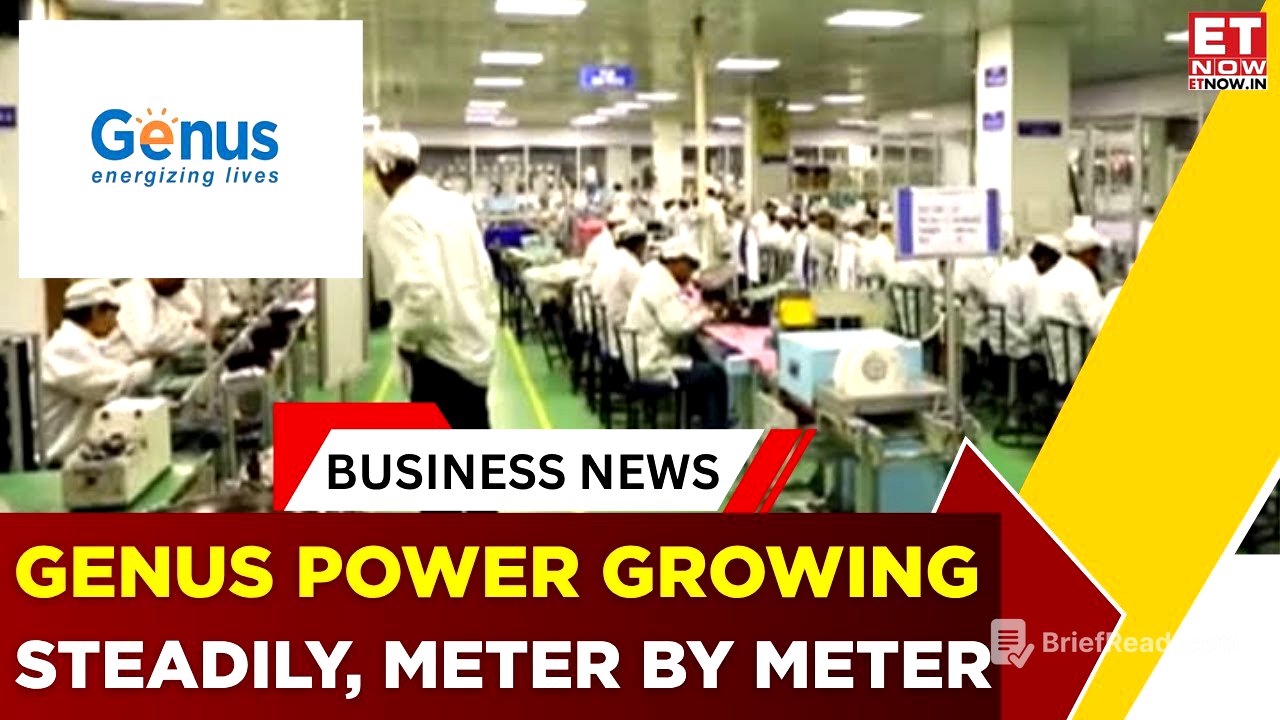
The video provides an in-depth analysis of Genus Power, a key player in the power infrastructure sector, focusing on its business model, financial performance, and future prospects. Key points discussed include:
- The company's smart meter manufacturing and concession business.
- Financial health and cash flow challenges.
- Insights from an interview with Jitendra Kumar Agarwal, highlighting operational strategies and future growth expectations.
Introduction to Genus Power: Overview of the Company [0:00]
Genus Power, incorporated in 1992, operates in the power infrastructure space, particularly in smart electricity, gas, and water metering. With a market cap of ₹10,000 crores, the company has a significant order book indicating future growth potential. The company has two primary business segments: manufacturing smart meters and providing advanced meter infrastructure services (AMISP), which involves leasing out smart meters for a fee.
Understanding Genus Power's Business Model and Operations [0:30]
Genus Power's business model includes the manufacturing of smart electricity meters that replace traditional meters with communication devices able to send data wirelessly. Their product lines also feature prepayment meters, distribution transformer meters, smart gas meters, and water meters. The AMISP business involves leasing these meters, with GIC holding a 74% stake, which optimizes Genus's working capital by reducing its upfront investment burden.
Exploring Smart Meter Technology and Its Benefits [1:00]
Smart meters offer minute-by-minute consumption data, wireless communication, and the ability to remotely manage power supply. These devices improve accuracy in billing and help detect theft through distribution transformers, offering a solution to technical losses in India's electricity infrastructure. The growing demand for efficient metering technology underpins the market's expansion for smart gas and water meters as well.
Diving into the Concession Business: AMISP Explained [1:30]
The AMISP arm is crucial for Genus Power, allowing the company to lease its manufactured meters on long-term leases. This model creates a recurring revenue stream, with the initial investment in meters paid back over time through operational payments from the leased projects. As this segment scales, it will provide substantial revenue, although Genus currently retains only 26% of the profits from this platform.
Financial Performance: Revenue Growth and Profitability [2:00]
Genus Power has demonstrated strong revenue growth, with projections of reaching ₹6,000 crores in FY27. The company has seen improving EBITDA margins due to efficiency gains, with profitability currently at ₹600 crores. However, the volatility in stock price is attributed to balance sheet challenges, including growing borrowings, which have raised concerns about overall financial health.
Analyzing Cash Flow Challenges and Debt Concerns [2:30]
Despite positive revenue growth, Genus Power faces negative operational cash flow, which has raised investor concerns. Current debts are significant, reaching around ₹2,300 crores. The impact of cash flow issues is exacerbated by high borrowing levels and a lack of conversion from revenue to cash profitability, indicating a need for strategic financial management.
Shareholding Patterns and Market Valuation Insights [3:00]
The shareholding structure reveals a decrease in promoter holding from 50.5% in FY23 to 39%, with additional pledges on shares. Institutional investors hold around 19%, while public shareholders account for the remaining 38%. Current valuations stand at 14 times earnings, considerably lower than the five-year average of 29 times, influenced by cash flow challenges and market perceptions of the company's stability.
Expert Insights: Interview with Jitendra Kumar Agarwal [3:30]
In an interview, Jitendra Kumar Agarwal discusses strategies for addressing rising raw material costs and maintaining profitability. He emphasizes the expected execution timeline for projects and cash flow improvements as installations ramp up. The operational model with GIC allows Genus to manage risks associated with upfront investments while ensuring a cash flow return through ongoing leases.
Raw Material Costs and Margin Impact for FY27 [4:00]
Agarwal highlights that Genus anticipates an EBITDA margin of 18% for FY27, despite raw material cost increases. With fixed-price contracts, margin pressures are managed through technological value addition, ensuring that the impact on profitability remains minimal in the long run.
Execution Strategy: Managing a Large Order Book [4:30]
Genus Power is managing a substantial order book and aims to achieve a top-line of ₹6,500 crores this year. Execution patterns traditionally show slower Q1 and Q2 progress due to seasonal factors, but CEO Agarwal indicates improved performance in subsequent quarters as installation processes stabilize.
Cash Flow Projections and Future Financial Health [5:00]
Moving into the next financial year, Agarwal anticipates significant cash flow improvement as the amortization of installations begins. Current investment in project setup will yield returns once operations stabilize, leading to a reduction in negative cash flow by FY28.
Understanding the GIC Partnership and Its Implications [5:30]
Agarwal explains that GIC plays a critical role as a financial partner in strategic operations of the AMISP platform. The collaboration allows for predictable income streams through operational payments while Genus manages all aspects of manufacturing and installation, fostering long-term financial health.
Future Installations: Growth Expectations for FY27 [6:00]
Genus Power expects to install approximately 1 crore smart meters in FY27, with a production capacity between 1.8 and 2 crore meters. As the largest meter manufacturer in India, Genus is positioned to address both its own concessions and serve other market players.
Debt Management: Strategies for Reducing Financial Burden [6:30]
While acknowledging the current debt levels, Agarwal reassures stakeholders that Genus Power has historically maintained a cautious approach towards leverage. Future debt reduction is anticipated as projects generate income, reinforcing the company's commitment to returning to net debt-free status.
Revenue Breakdown: O&M vs. Meter Sales Forecast [7:00]
Agarwal outlines that while operation and maintenance (O&M) revenue is currently modest, significant growth is expected in the coming years as operational installations increase. By FY28, O&M revenues are projected to contribute ₹600 to ₹700 crores, indicating a healthier revenue stream in the long term.
Conclusion: Key Takeaways and Future Outlook for Genus Power [7:30]
The discussion concludes with a need for Genus Power to enhance cash flow management and address financial challenges strategically. Despite the current hurdles, the anticipated growth from installations and the robust demand for smart metering technology promises a brighter outlook for the company in the coming years.