TLDR;
This video covers the Minnesota Coronary Experiment, a long-forgotten study from the 1970s that explored the effects of lowering cholesterol through dietary changes. The key findings reveal that lowering cholesterol did not improve heart health and was associated with a higher mortality rate, raising questions about the long-held belief that reducing cholesterol is beneficial. The discussion highlights the study's significance and the potential consequences of dismissing contradictory evidence in nutrition science.
- The Minnesota Coronary Experiment showed that a cholesterol-lowering diet increased the risk of death.
- The study, conducted on over 9,000 participants, revealed no benefits for heart disease and highlighted the need for humility in dietary recommendations.
Introduction to the Forgotten Study [0:00]
Dr. Eric Westman introduces the Minnesota Coronary Experiment, a study from the 1970s that has been largely ignored despite its significant findings regarding cholesterol and mortality. He hints at why the study remained unpublished for decades and introduces the speaker, Nick Norwood, who will discuss the details.
The Study's Design and Approach [2:10]
Nick Norwood explains the Minnesota Coronary Experiment, which took place between 1968 and 1973 with 9,423 participants from mental hospitals and a nursing home. The study aimed to see if swapping saturated fats for unsaturated fats would reduce heart disease and mortality. Notably, autopsies were performed on participants after death, providing unique insight into cardiovascular health changes, which was a significant aspect of the study's design.
Findings of Cholesterol Levels and Mortality [7:00]
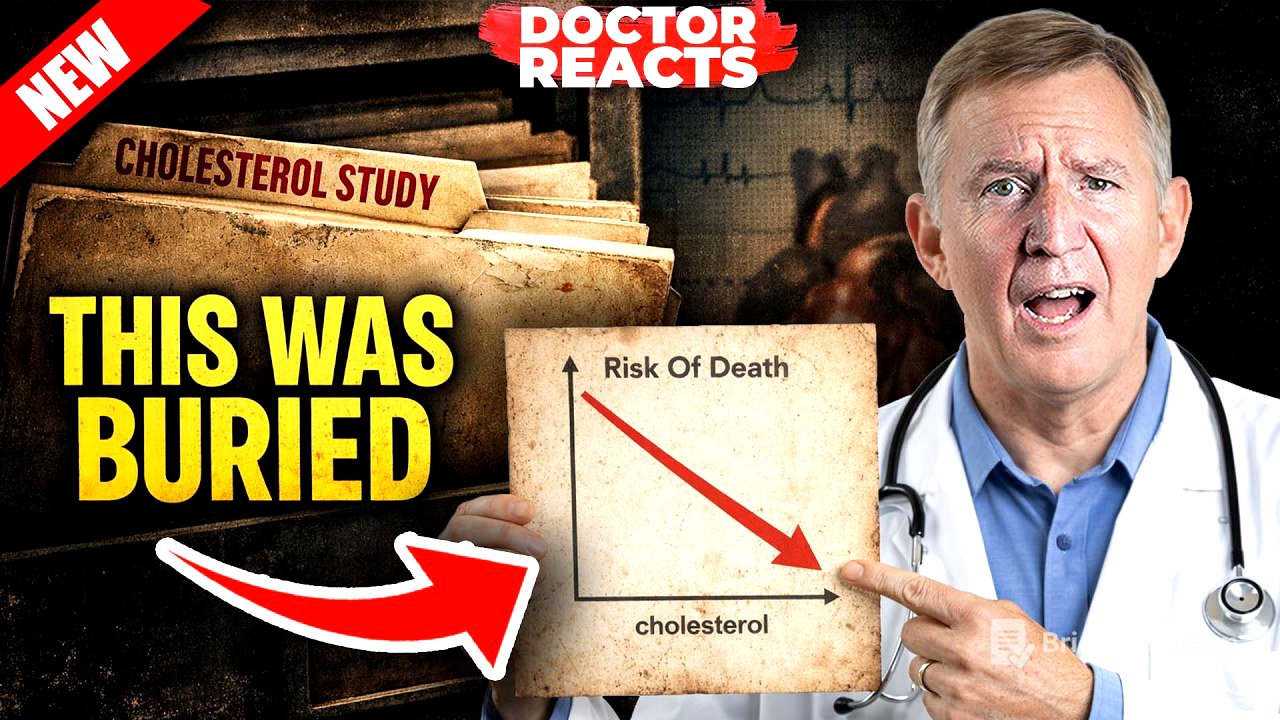
The study found that while the vegetable oil diet significantly lowered cholesterol levels, it did not lead to better health outcomes. Instead, there was a 22% increased risk of death for every 30 mg/dL reduction in cholesterol, suggesting that lowering cholesterol could be detrimental to health, contradicting established beliefs.
Impacts on Heart Disease and Atherosclerosis [10:00]
Despite expectations that lowering cholesterol would benefit heart health, the intervention group had twice as many heart attacks as the control group. This outcome was measured through post-mortem examinations that confirmed a higher incidence of coronary atherosclerosis in those who consumed the low-saturated fat diet.
The Aftermath of the Study and Buried Data [13:10]
Nick Norwood discusses the study's lack of publication due to its contradictory results that did not align with prevailing nutritional narratives. The suppressed data raises concerns about biases in scientific research and emphasizes the need for critical evaluation of nutrition science.
The Lessons from the Minnesota Coronary Experiment [15:00]
The video concludes that the Minnesota Coronary Experiment serves as a cautionary tale in nutrition science, urging humility when interpreting data and forming dietary guidelines. The evidence suggests that overly simplistic recommendations about cholesterol and fat need to be reassessed, as the study demonstrated that the outcomes of dietary interventions can be unpredictable.
Future Directions and the Need for Reevaluation [17:20]
Dr. Westman calls for new, more rigorous studies to explore the relationship between dietary fats and health outcomes, stressing that understanding nutrition is complex and evolving. He advocates for research that accurately reflects current dietary habits and the effects on human health, rather than relying on outdated or inconsistent evidence.