TLDR;
The video discusses the rise and fall of "Nier Reincarnation," a mobile game based on the successful "Nier Automata." While celebrated for its predecessors, "Nier Reincarnation" failed commercially and was shut down shortly after its story concluded. However, a user named Walter Sparrow resurrected the game, leading to debates about copyright, piracy, and differing cultural attitudes towards intellectual property in Japan compared to the West. The video highlights the severe legal repercussions for piracy in Japan, illustrating the complexities of creator respect, industry practices, and the impact on fan engagement.
- "Nier Reincarnation" faced critical and commercial failure.
- A user revived the game, sparking discussions about copyright issues.
- Japan's strict anti-piracy laws reflect a unique cultural perspective on creators and their work.
The Rise and Fall of Nier Reincarnation [0:00]
"Nier Reincarnation," a mobile game released through Square Enix, followed the warmly received action RPG "Nier Automata." Despite its innovative gameplay and engaging narrative, the mobile adaptation faced significant criticism and was rendered unplayable after its servers were shut down, leaving players frustrated. The video introduces how a dedicated individual, Walter Sparrow, painstakingly reversed engineered the game, bringing it back to life, effectively allowing fans a chance to experience it again without the original company’s involvement.
Cultural Perspectives on Piracy and Preservation [1:40]
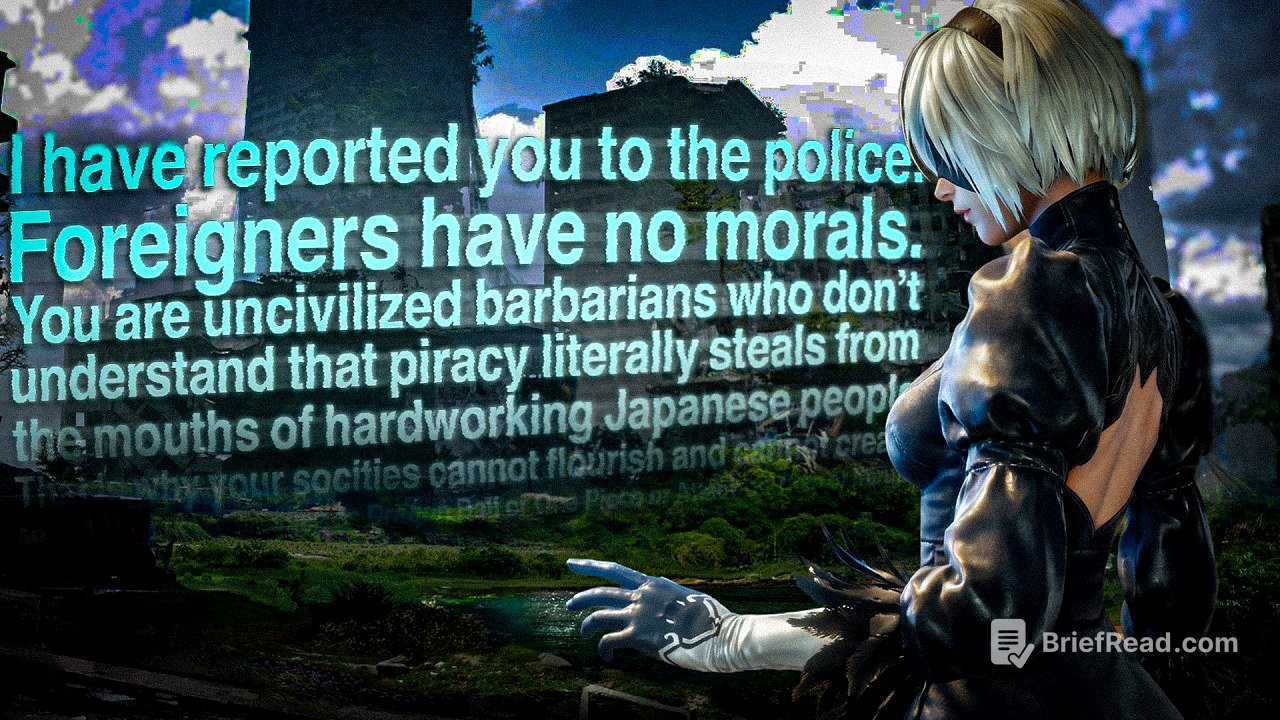
As Sparrow’s actions garnered attention, a cultural divide became evident between Japanese and Western views on piracy. While many in the West viewed Sparrow as a hero for preserving lost art, the reality in Japan is more complex, with many seeing piracy as an infringement of creator rights. This chapter examines the legal implications of restoring a dead game, the backlash from Japanese audiences, and the deep-rooted belief in the protection of artistic integrity within Japanese society.
The Legal Stranglehold on Japanese Media [3:20]
The strict copyright laws in Japan date back to previous legal actions against piracy, leading to severe penalties that discourage fans from sharing content, even if it's no longer commercially available. This section highlights the challenges faced by creators in Japan, where cultural exports are crucial and ownership of intellectual property is fiercely guarded without allowances for fair use. The public’s perception of piracy is outlined, revealing that while some see it as harmless, many Japanese people are conditioned to view it as an affront to individual artists.
Contradictions in Japan’s Anti-Piracy Policies [5:00]
The narrative exposes the contradictions inherent in Japan's approach to intellectual property. For instance, even while the gaming industry prosecutes piracy, developers often rely on fan-generated content and modding communities for valuable insights and data. The case of Square Enix is presented, revealing how they sourced fan data to remaster a game while publicly condemning piracy, highlighting a disconnect between corporate policy and community engagement.
Impact of Strict Copyright Laws on the Gaming Industry [6:40]
The severe restrictions on fan interactions in Japan are argued to be counterproductive, stifling creativity and marketing opportunities. This chapter illustrates how an oppressive atmosphere around piracy potentially harms not only the fan community but also the creators and studios the laws are meant to protect. It underscores a broader concern that such zealous protections may actually harm the very artists they aim to defend, restricting community involvement and the organic growth of enthusiasm for video games.
Dojine Culture and Its Role in Art Creation [8:20]
Dojine, or unofficial fan works, represent an interesting exception within the Japanese media landscape, where artists often draw from existing intellectual properties and yet enjoy a degree of tolerance. This chapter explains the cultural significance of dojene within Japan, contrasting them with more formal media and showing how this practice allows budding artists to express creativity without the immediate pressures of copyright infringement, ultimately fostering a collaborative spirit among creators.
Conclusion and Further Discussion [10:00]
Finally, the creator invites viewers to engage with his extended thoughts and questions on the topic, hinting at a deeper discussion about the future of gaming and the implications of piracy. He encourages a conversation on how these issues intersect with broader trends in the industry, promising more insights in subsequent videos.