TLDR;
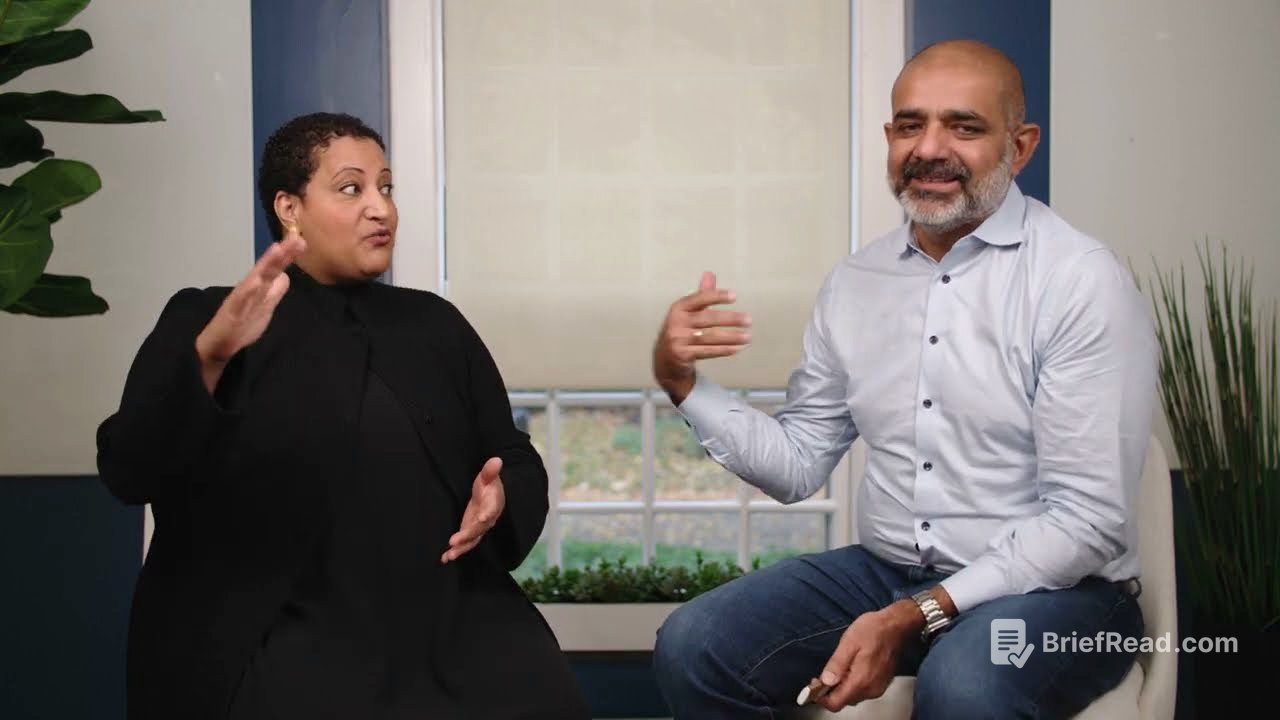
This video addresses the age-old question of whether leaders are born or made, ultimately arguing that leadership is a skill developed through learning, practice, and mentorship. It debunks the myth of innate leadership qualities, emphasising the importance of acquiring skills, values, and experiences to become an effective leader. The discussion highlights the role of education, mentorship, and coachability in leadership development, encouraging viewers to actively invest in their leadership journey.
- Leadership is a learned skill, not an innate trait.
- Mentorship and coachability are crucial for leadership development.
- Deliberate investment in education and experiences is essential for becoming a better leader.
Introduction: The Born vs. Made Leader Debate [0:00]
The video begins by posing the question of whether leaders are born with innate qualities or if leadership is a skill that can be learned and developed. The discussion references various influential figures, from Alexander the Great to Nelson Mandela, questioning whether their leadership was inherent or acquired. The initial query sets the stage for exploring the nature of leadership and how individuals develop into leaders.
The Argument for Leaders Being Made [1:14]
It's argued that leaders are made, not born, and that the influential figures mentioned earlier developed their skills over many years. Becoming a leader involves adopting values and beliefs, and developing skills in areas such as public speaking, motivation, and communication. The speaker references Aristotle's triangle of ethos, pathos, and logos, explaining that credibility (ethos), logical reasoning (logos), and communication skills (pathos) are learned, not innate. While genetic endowments may play a role, leadership is primarily a social science and a skill that is acquired through learning and practice.
Busting the Myth of the Born Leader [5:36]
Research indicates that leadership skills are learned, not innate. Studies, including those involving twins, demonstrate that leadership is more influenced by non-genetic factors, such as learning and the intention to become a leader. Leadership is described as a state, not a trait, implying that anyone can become a leader through skill-building, practice, education, and mentorship. Taking on jobs that maximise learning opportunities is also crucial for growth within an organisation.
The Importance of Mentorship [8:17]
Mentorship is highlighted as a critical component of leadership development. Mentors provide feedback, coaching, and ideas, offering valuable advice and counsel. Seeking advice from mentors, including peer mentors, can expand one's perspective and provide opportunities for growth. Ultimately, being coachable is essential for benefiting from mentorship, requiring individuals to listen, follow advice, and suspend their own judgement. Coachability is a fundamental skill that enables individuals to learn, be influenced, and, in turn, coach others effectively.
Conclusion: Embracing the Leadership Journey [9:57]
The video concludes by reinforcing the idea that leaders are made, encouraging viewers to embark on their leadership journey. It emphasises the importance of deliberately investing in oneself, acquiring relevant experiences and education, and seeking out mentors. By making leadership a practice and continuously developing their skills, individuals can become better leaders and contribute to their organisations and communities.