TLDR;
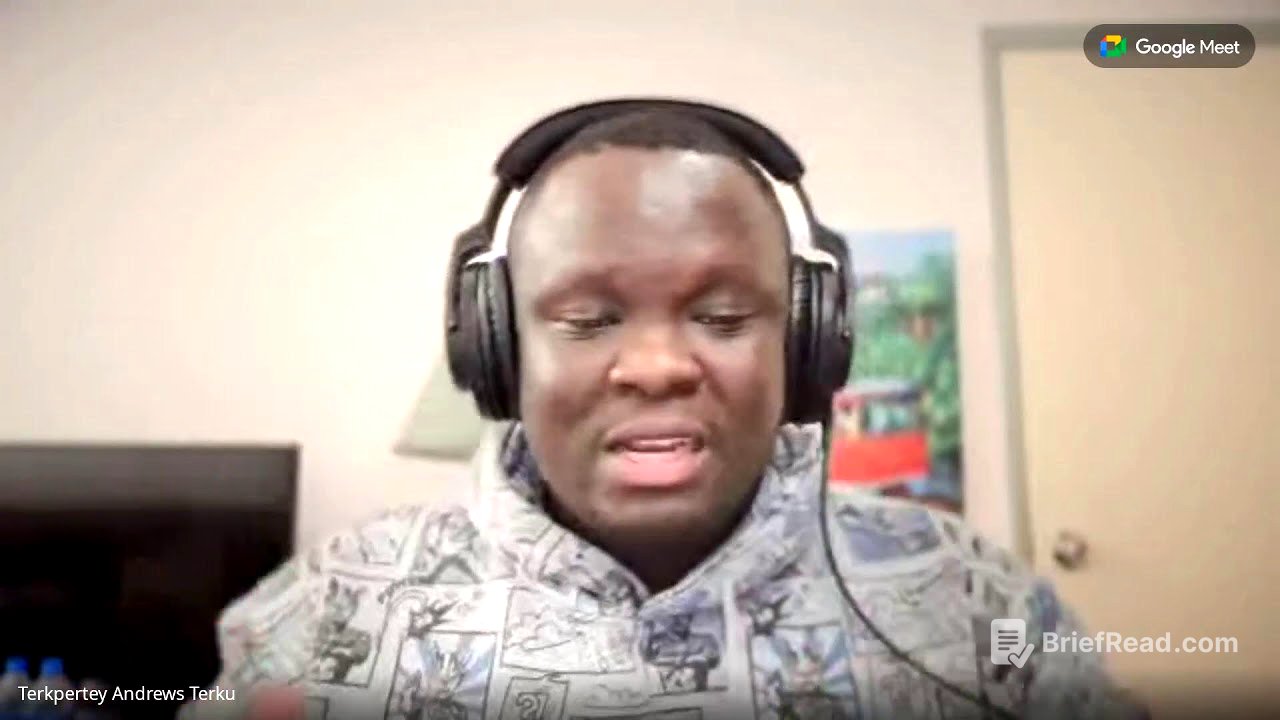
This YouTube video features a debate on whether the rise of influencer politics should be regretted. The debate explores the impact of social media on political discourse, participation, and governance. Arguments cover topics such as personal branding, accessibility, accountability, and the role of traditional media versus social media in shaping political outcomes.
- The rise of influencer politics is a regrettable trend.
- Social media has a negative impact on democratic resilience.
- Traditional media and community engagement are better alternatives.
Introduction and Setup [0:00]
The Word-Smiths channel begins a debate, with panellists and judges joining the session. Initial technical difficulties and introductions are made, setting the stage for the Masters round of the competition.
Opening Argument: Regretting Social Media's Influence [10:39]
The first speaker argues that social media, as a platform, mixes intimate, public, and authentic content, often leading to commercialisation. Politicians are incentivised to use social media for personal branding and agenda setting, which can conflict with the sanctity of politics. The speaker concedes that most people are on social media but suggests a more efficacious, institutional use of it. Impression farming, oversationalisation, and the winnowing of debate are identified as negative outcomes. The speaker regrets the rise of personal branding due to its impact on political discourse and the popularisation of aesthetical political ideologies, leading to lower voter turnout.
Counter-Argument: Embracing Influencer Politics [20:18]
The opposing speaker argues against regretting the current state of influencer politics, stating that political campaigns and activism have always involved a middleman. They highlight the importance of active participation, audience alignment, and inevitable personal branding. The speaker argues that personal branding has always existed, even in traditional politics, and that social media allows for direct scrutiny and feedback, preventing politicians from getting away with dangerous actions. The speaker believes influencer politics democratises the ability to run for political posts and reduces barriers to entry.
Rebuttal: Accessibility and Accountability Concerns [29:40]
This speaker argues that the harms of social media are more accessible and prone to happen, particularly regarding disinformation and the growth of cult personalities. They use the example of Buhari skipping debates in 2015 due to his large social media following. The speaker contends that social media allows politicians to forgo traditional political engagement and sell false narratives because people are less likely to do background checks. They regret the rise in the absence of traditional political settings and the focus on personality over policy.
Counter-Rebuttal: Democratisation and Consistency [40:16]
The speaker argues that social media and the rise of social media iconography are significantly better than old mainstream media because virality is democratised. They contend that consistency is enforced due to the permanent record on social media, making it easier to track contradictions. The speaker also points out that activism has a deeper impact, especially in Third World countries, and social media allows for better engagement and creative solutions.
Further Arguments: Monopoly and Democratic Principles [48:26]
This speaker argues that the benefits of social media are wiped out because a few billionaires control the conversation. They believe the debate should be about reforming legacy institutions versus the rise of political influencers. The speaker highlights grassroots engagement, party institution, inclusion, and representation as core principles of democracy, which they believe are not celebrated by political influencers. They point out that virality can be state-sponsored and that political influencers often pick hardline stances, limiting democratic discourse.
Closing Arguments: Regulation and Mitigation [57:00]
The speaker argues that the harms pointed out already exist in politics and that governments admit to existing regulations in the social media space. They believe the rise of influencer politics corrects these harms and calls for necessary regulations. The speaker argues that the rise allows for the equity invest to exist and for the select few to machinate elections. They believe that the rise curves the problems and does not omit the core tenets of democracy.
Final Statements: Comparative Analysis and Democratic Resilience [1:05:43]
The speaker argues that the key comparative is whether social media influencing is bad for democratic resilience, truth, accountability, and the quality of governance. They contend that in a world dominated by social media, visibility is controlled by those who tweak algorithms, and audience ownership is non-existent. The speaker believes that incentives on social media are engagement-dominated, leading to niche fan bases and compromised accountability. They argue that social media remains a bubble and that real work involves community engagement and coalition building.
Concluding Remarks: The Rise as a Mitigating Factor [1:13:32]
The speaker argues that the motion should have been about regretting influencer politics, not just the rise of it. They believe that the rise compels narratives that challenge dogmatic beliefs and breaks the hegemony of certain voices. The speaker argues that social media is important and that the absence of influencer politics existing in the marginal and fringes is far worse. They believe that regulation is sufficient and that the opposition has not explained why all forms of regulation have failed.

![Rebel at work: Joseph Weizenbaum 04.05.2007 [Teil 8]](https://wm-img.halpindev.com/p-briefread_c-10_b-10/urlb/aHR0cDovL2ltZy55b3V0dWJlLmNvbS92aS9ydV9Vd1ZPT3F6by9ocWRlZmF1bHQuanBn.jpg)

![This Crypto Crash Will NOT End Here! [Here's Why]](https://wm-img.halpindev.com/p-briefread_c-10_b-10/urlb/aHR0cDovL2ltZy55b3V0dWJlLmNvbS92aS9EbUdyNzlUemp4TS9ocWRlZmF1bHQuanBn.jpg)