TLDR;
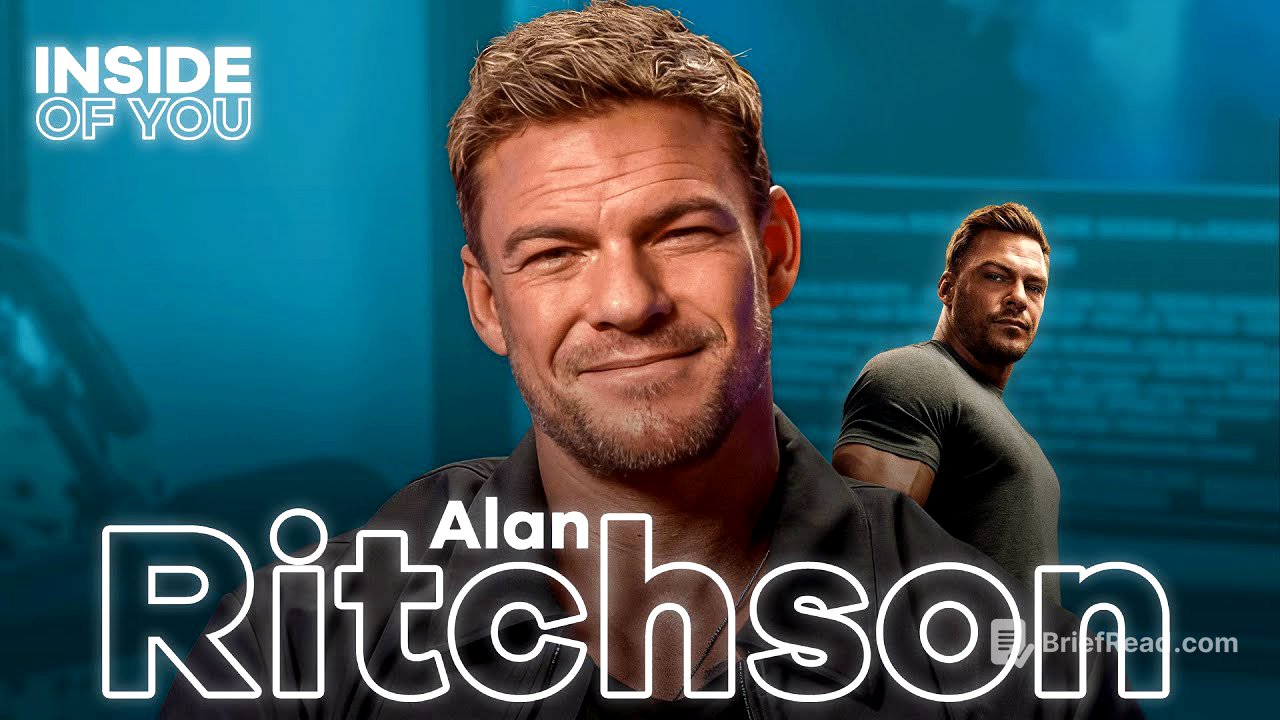
In this episode of Inside of You, Michael Rosenbaum interviews actor Alan Ritchson, known for his role as Jack Reacher in the new Amazon series. Ritchson opens up about his struggles with mental health, including a midlife crisis, depression, and being diagnosed with bipolar disorder. He shares his journey to finding purpose and managing his condition through therapy, medication, and lifestyle changes. He also discusses the demanding filming schedule for Jack Reacher and its impact on his physical and mental well-being.
- Alan Ritchson discusses his mental health struggles, including depression and bipolar disorder.
- He opens up about a suicide attempt and his journey to recovery.
- Ritchson shares the demanding filming schedule for Jack Reacher and its impact on his health.
- He emphasises the importance of mental health awareness and seeking help.
Introduction [0:02]
Michael Rosenbaum and Ryan introduce the episode, highlighting Alan Ritchson as the guest. They encourage listeners to leave reviews and follow the podcast on social media. Rosenbaum mentions Ritchson's new show, Jack Reacher, and praises Ritchson's openness and sincerity during the interview. He also thanks the podcast's patrons and promotes the Inside of You online store and Cameo.
Alan Ritchson on Jack Reacher and Early Midlife Crisis [4:04]
Alan Ritchson discusses his role in the Jack Reacher TV series, adapted from Lee Child's books. He expresses hope that fans of the books will enjoy the show. Ritchson then transitions into discussing his personal life, revealing that he experienced an early midlife crisis around the age of 35 or 36. He reflects on feeling overwhelmed, anxious, and experiencing a bout of depression.
Understanding Depression and the Pressure to Grind [6:20]
Ritchson and Rosenbaum discuss their experiences with depression, with Ritchson linking it to a sense of incompleteness and anxiety about returning to normalcy. Rosenbaum shares his perspective that depression is rooted in the past, while anxiety is focused on the future. They both acknowledge the societal pressure to constantly work hard and the negative impact of not allowing oneself to rest. Ritchson identifies a lack of purpose as a core element of his depression and mentions the importance of brain coherency, which involves balancing different brainwave states through meditation and other practices.
The Impact of Kids and Societal Expectations [13:31]
Ritchson reflects on how having children intensified his feelings of responsibility and the pressure to provide stability. He admits to feeling like he no longer had the luxury of self-discovery and had to immediately know who he was as a father. He also acknowledges the allure of fame and the challenges of balancing his marriage with the temptations of his career. Ritchson reveals that he had a very successful year professionally, but the pressure to maintain that success led to him becoming manic.
Business Betrayal and Suicidal Thoughts [23:24]
Ritchson describes a difficult situation with a business partner who threatened to destroy his reputation if he didn't comply with her demands. This, combined with the stress of his manic state, led to a crisis of faith and uncertainty about his purpose. He confessed to his wife that he felt it would be better if he wasn't alive, indicating the depth of his depression. Ritchson then recounts a suicide attempt, describing how he strung up an extension cord in his attic but was stopped by a vision of his children needing him.
Diagnosis and Medication [31:55]
After his suicide attempt, Ritchson sought professional help and was diagnosed with bipolar disorder. He initially resisted the diagnosis and medication but eventually started taking lamotrigine. He researched bipolar disorder extensively and came to view it as a gift in some ways, allowing him to tap into a wide range of emotions. However, he also recognised the need for medication and routines to manage the dangerous aspects of the condition.
Navigating Marriage and Public Life with Bipolar Disorder [35:49]
Ritchson praises his wife for her support and openness in discussing his mental health. He explains that they talk about suicide, bipolar mania, and other difficult topics without hesitation. Ritchson also reflects on the challenges of navigating public life and the landmines that come with being in the entertainment industry. He acknowledges the importance of his wife letting go of fear and anxiety and trusting him.
The Savage Depression and Finding Routines [38:32]
Ritchson describes the depression he experienced as "savage," characterised by a lack of energy, negative thoughts, and a loss of motivation. He emphasises the importance of routines and rituals, such as making tea, to help calm his mind. He also credits medication with changing his life and helping him regain his desire to work out. Ritchson stresses the importance of faith and altruism in finding purpose and meaning in life.
Altruism, Simplifying Life and Magic Spoon [42:43]
Ritchson shares how he simplified his life by getting rid of his fancy cars and focusing on giving back to the community. He highlights the scientific evidence that altruism has a meaningful impact on well-being. Rosenbaum and Ritchson then transition to promoting Magic Spoon cereal, emphasising its healthy and delicious qualities.
Overcoming Rock Bottom and the Role of Jack Reacher [48:19]
Rosenbaum commends Ritchson for overcoming his struggles and pulling himself out of rock bottom. Ritchson clarifies that he is still on a journey of overcoming and that the possibility of relapse is always present. He then discusses taking on the role of Jack Reacher, acknowledging the pressure to live up to the character's expectations and the legacy of Tom Cruise's portrayal.
The Audition Process for Jack Reacher [49:38]
Ritchson recounts the lengthy audition process for Jack Reacher, which involved multiple tapes and meetings with executives. He shares that he was initially passed on for the role but was later given a second chance. Ritchson describes the challenges of portraying the character's stoicism and the importance of finding the right energy. He also mentions the concerns about his height and the unusual measures taken to verify it during the pandemic.
The Demanding Shoot and Physical Toll [57:17]
Ritchson reveals the demanding filming schedule for Jack Reacher, which involved shooting six days a week and swinging between two crews. He describes the physical toll of the shoot, including injuries, sleep deprivation, and the use of powerful NSAIDs that lowered his testosterone levels. Ritchson shares a harrowing experience of struggling to breathe during a scene and realising that he was suffocating due to the lack of oxygen in his muscles.
Health Realisations and Future Adjustments [1:05:31]
Ritchson explains that he had surgery on his shoulder after the shoot and discovered that the NSAIDs had destroyed his testosterone, leading to a lack of oxygen in his muscles. He emphasises the importance of men being aware of the potential side effects of ibuprofen and considering testosterone therapy. Ritchson also shares that adjustments have been agreed upon for future seasons of Jack Reacher to ensure a more sustainable filming schedule.
Rapid Fire Questions from Patrons [1:10:21]
Rosenbaum asks Ritchson a series of rapid-fire questions from patrons. Ritchson shares that his secret to maintaining a positive mindset is rooting his identity in serving others. He reveals that his bucket list is now focused on travelling with his children and opening their worlds up as much as possible. Ritchson also discusses his experience with Blue Mountain State and his early aspirations as a comedian.
Aquaman, Singing and Gratitude [1:14:34]
Ritchson addresses a question about not being cast as Aquaman in a spin-off, explaining that he learned a valuable lesson about holding loosely to opportunities. He also shares his background in music theatre and his love for singing. Ritchson expresses gratitude for his experiences and the lessons he has learned along the way.
Closing Remarks and Patron Shout-outs [1:20:29]
Rosenbaum expresses his appreciation for Ritchson's openness and honesty during the interview. He thanks the patrons for their support and encourages listeners to leave reviews and follow the podcast on social media. Rosenbaum also promotes the Inside of You online store and Cameo. He concludes the episode by sharing an inspirational quote about living in the present moment.