TLDR;
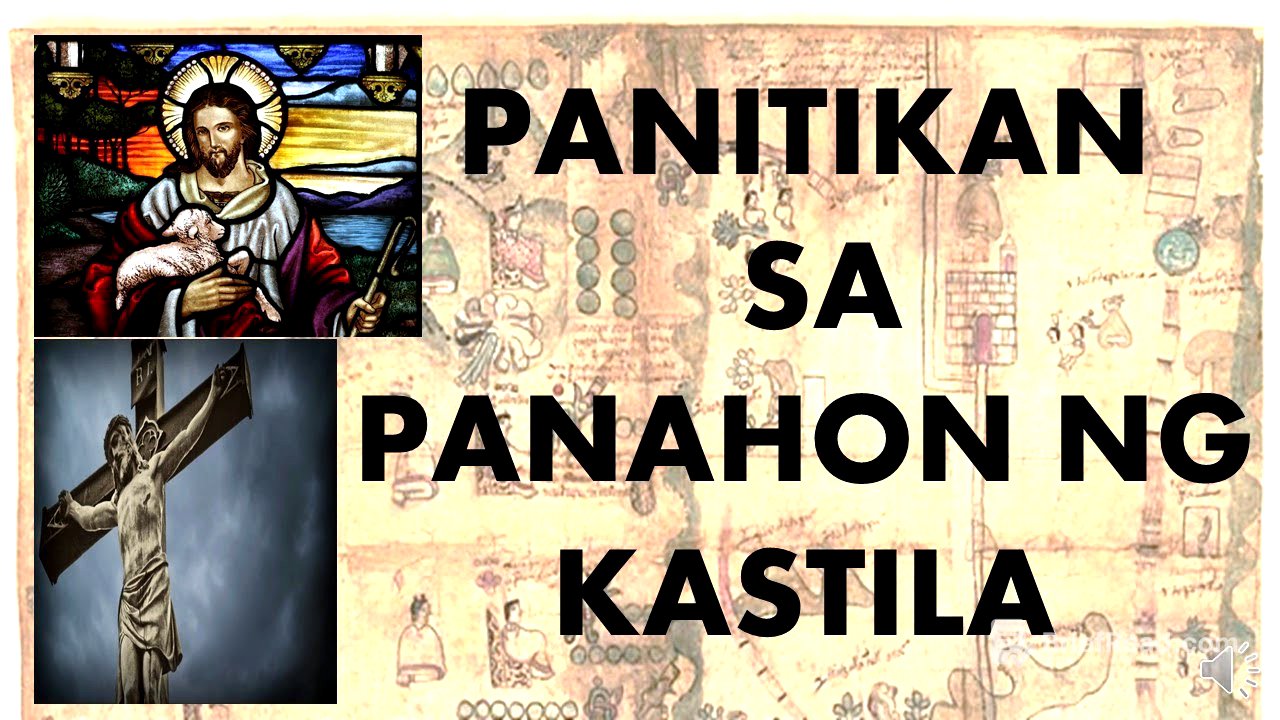
This video discusses the influence of Spanish colonisation on Philippine literature during more than three hundred years of Spanish rule. It highlights key historical events, significant changes made by the Spaniards, and their contributions to the Filipino literary landscape.
- Spanish colonisation began in 1565 with Governor General Miguel Lopez de Legazpi.
- The concepts of "Gold, Glory, and God" were central to Spanish motives, impacting religion, literature, and societal structures.
- Various literary forms emerged, including religious texts and traditional Filipino performances inspired by Spanish culture.
Spanish Colonisation and Its Historical Context [0:00]
Spanish colonisation of the Philippines commenced in 1565 with Governor General Miguel Lopez de Legazpi. The Philippines remained under Spanish rule for over three hundred years, only ending with the American occupation following the Treaty of Paris. Filipino insights reveal that both the Spaniards and Americans exploited the Philippines due to its strategic location. Notably, the Spaniards surrendered the territory to the Americans without real combat, which was merely a façade to preserve their honour.
The Impact of the 3Gs: Gold, Glory, and God [0:35]
The Spanish presented their endeavors under the three tenets of "Gold, Glory, and God," with the emphasis placed on acquiring wealth (Gold) as part of mercantilism. Religion (God) became a tool for spreading Christianity in the Philippines, which eventually became a central theme in literature. The mission to spread Catholicism aided the Spanish in keeping the Filipino population subservient and maintaining their colonial power.
Literary Developments Under Spanish Rule [2:27]
The Spanish significantly influenced Filipino literature by introducing the Roman alphabet, replacing indigenous writing systems like baybayin. Religious texts began to dominate literature, with the “Doktrina Kristiyana” being the first book published in the Philippines, which contained articles on religious practices. This period also saw the emergence of works that combined native and European literary forms, such as koridos, awits, sarsuelas, and more, which shaped Filipino storytelling traditions.
Key Religious Texts and Their Influence [10:27]
Notable religious texts such as the “Doktrina Kristiyana” served as prayer books and introduced critical Christian concepts like the seven mortal sins. Another significant book, “Nuestra Senyora del Rosario,” authored by Padre Blancas de San Jose, contained lives of saints and addressed theological questions, aiming to reinforce Catholic doctrine among Filipinos through engaging narratives. These works instilled fear of divine punishment if they strayed from imposed norms.
Early Novels and Their Themes [14:56]
The first Filipino novel, “Barlaan at Josafat,” illustrated moral lessons through its characters, portraying the necessity of virtuous conduct. This was followed by “Urbana at Felisa,” which offered guidance about appropriate behaviour and social decorum, focusing on family values and respect. Furthermore, literary works reflected the societal expectations imposed by the Spanish, underscoring a blend of foreign influence and native customs.
Religious and Cultural Performances [18:31]
Drama played a pivotal role in blending religious education with entertainment. Performances like “Panunuluyan” re-enacted the search for lodging by Mary and Joseph, while “Flores de Mayo” and “Santa Cruzan” paid homage to Mary and highlighted community participation in religious festivities. These engaged the local population in spiritual practices while reinforcing Catholic ideals through various art forms, including music and dance.
Diverse Forms of Literature and their Legacy [29:50]
Diverse forms of literature continued to develop throughout the Spanish period, including poetry and narrative forms that focused on various cultural themes. The “Pasyon,” detailing the life of Christ, entered Filipino oral tradition, influencing spiritual and cultural practices. Performative aspects like the “duplo” and “karagatan” showcased the Filipino penchant for storytelling and poetry, encouraging cultural expression within the context of societal customs and values.
Conclusion: Filipino Literature’s Evolution [36:41]
The video concludes by summarising how the Spanish era fundamentally transformed Philippine literature through religious influence and narrative forms that combined local and foreign elements. From the transformation of the writing system to the proliferation of religious and secular texts, the legacy of this era endures in the rich tapestry of Filipino literary tradition, emphasizing the importance of these developments in shaping Filipino identity and expression.