TLDR;
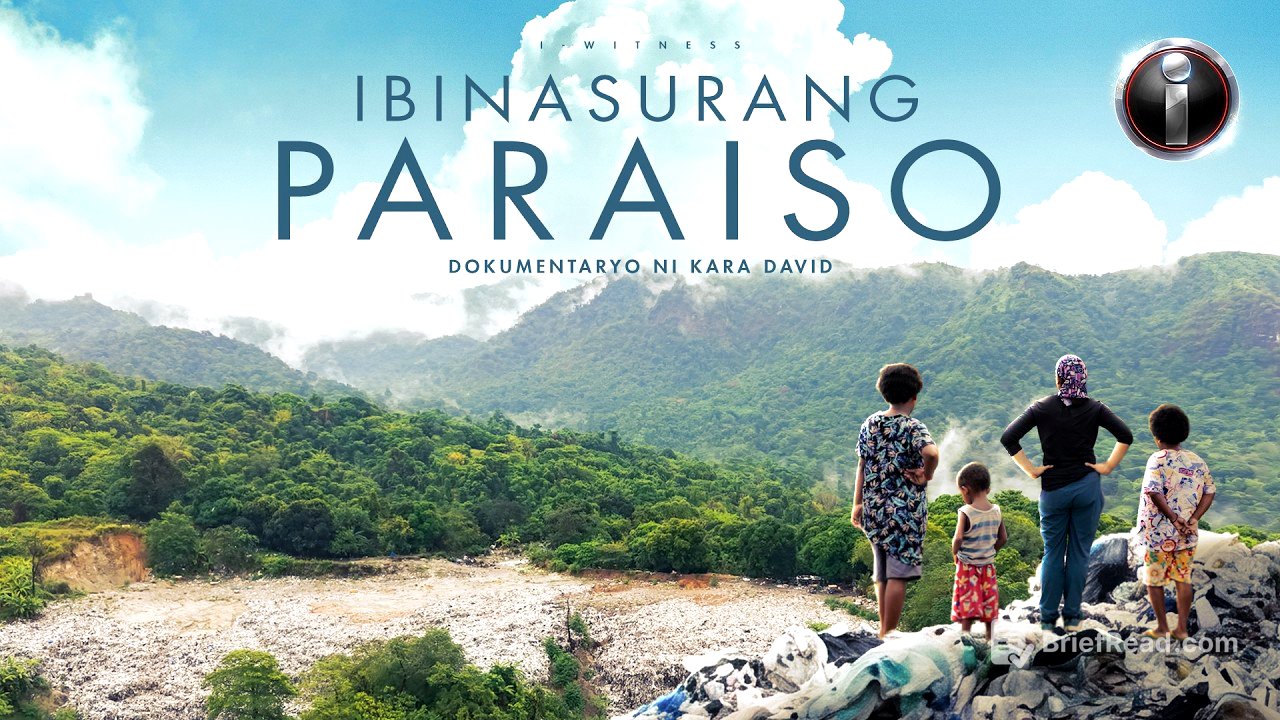
This video highlights the plight of the Ata indigenous community in Tibag, Zambales, whose once pristine environment has deteriorated due to the establishment of a waste dump site. Over the years, the community's home has transformed from a haven of natural beauty into a source of distress because of pollution and health hazards associated with the mismanaged waste. The video captures the emotional responses of the locals, their struggles to adapt to the changes, and their consequent displacement.
- The Ata community enjoyed a harmonious existence with nature until a road construction project initiated by the local government led to the establishment of a waste dump.
- Many residents have since relocated due to the unbearable smell and health issues caused by the dump.
- The local government’s actions have been controversial, with the community feeling ignored and unconsulted in the decision-making processes impacting their land.
The Beauty of Home [0:12]
The video opens by showcasing the natural beauty of the Ata's homeland in Zambales, featuring clear waters, fresh air, and lush mountains. This idyllic setting has served as the community's home for generations, symbolising tranquillity and closeness to nature. However, the sudden construction of roads by the local government marks a pivotal change that disrupts their peaceful existence.
The Arrival of Change [0:36]
The narrative transitions to the time when a local government initiative began constructing a road, ostensibly to improve access to the village. Initially, members of the Ata community viewed the road as beneficial, enabling easier transport of goods. Unfortunately, the construction soon led to the establishment of a waste dump, which local officials justified by claiming it would benefit the area.
The Impact of Pollution [2:14]
As the story unfolds, it becomes evident that the waste dump has profound effects on the environment and the health of community members. Visitors document the increasing amount of rubbish along the new road, which leads to a nauseating smell and a swarm of flies. The residents express their heartbreak and confusion over the changes taking place in their beloved homeland, filled with memories of happier times.
The Land’s Transformation [4:19]
Further exploration reveals how the landscape has altered dramatically due to the waste dump. The once verdant and vibrant hills have been marred by garbage, leading to feelings of sadness and anger among the locals. They reminisce about the lush mountains that were once part of their daily lives and discuss the degradation they currently face.
The Health Risks [6:12]
The community voices concerns about the health implications of living near the dump site. Reports indicate that hospital waste has been illegally disposed of in their area, compounding their fears about safety. Additionally, the locals found that their water sources have been contaminated, rendering their once clean water undrinkable. They must now rely on rainwater for their needs, highlighting the severe repercussions of the local government's decisions.
Government Response [14:23]
The local government's rationale for the dump, presented as a temporary solution during the COVID-19 pandemic, has drawn ire from the indigenous community. They reflect on a lack of consultation before the dump's construction, with officials claiming ignorance of the area's indigenous population. A significant complaint arose from the natives, pressuring the government to reconsider the impacts of their actions on the community.
Confronting the Future [21:09]
As community members continue to advocate for the removal of waste, they express a strong desire for rehabilitating the land. The local government's plan to simply cover the garbage with soil is rejected by the community, who call for definitive solutions to address their ongoing plight. The video closes with a poignant reminder that environmental integrity is intrinsically linked to cultural heritage and the rights of indigenous peoples.