TLDR;
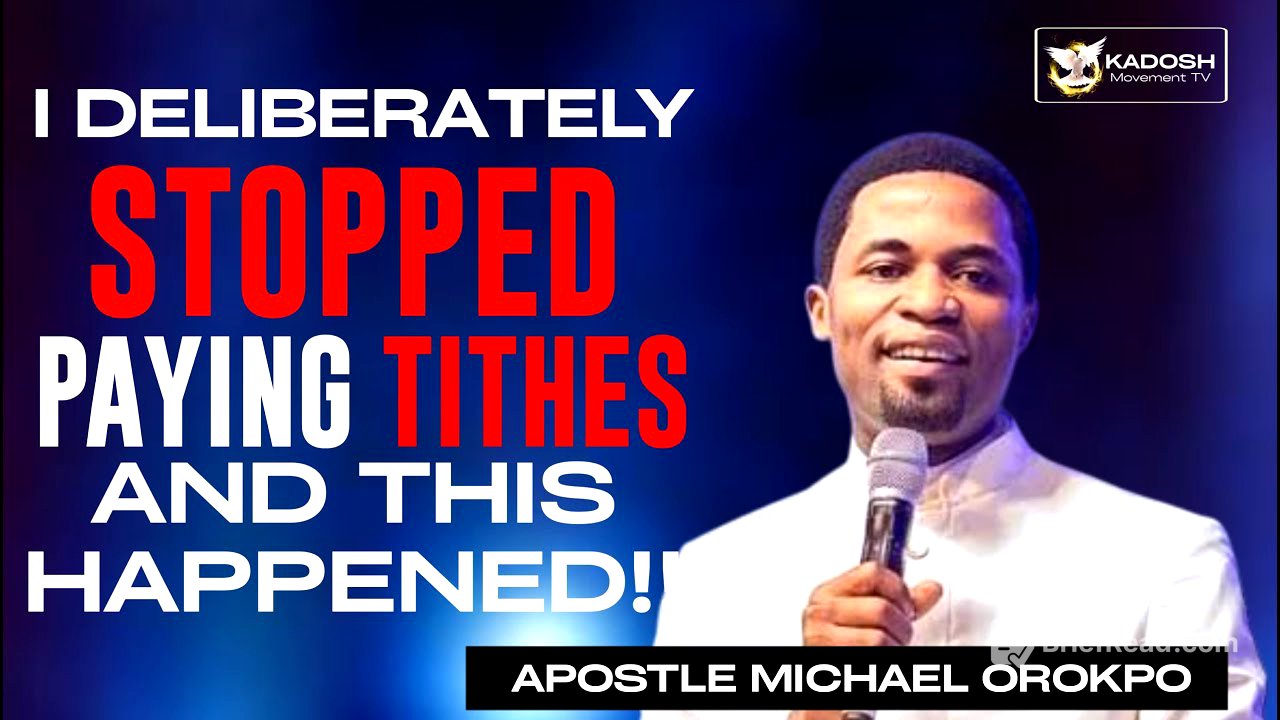
This video discusses the five major covenants God made with humanity, highlighting their significance in God's interactions with mankind. It covers the Noahic covenant of preservation, the Abrahamic covenant of sufficiency, the Mosaic covenant of ethics and righteousness, the Davidic covenant of kingship, and the New Covenant established through Jesus Christ. The video also addresses the concept of tithing within these covenants, explaining its representation of acknowledging God as the source, consecration, worship and royalty. It clarifies that while tithing is not a law for New Testament believers, it remains a principle that reveals one's heart, worship, honour to God and consecration.
- Five major covenants determine God's dealings with humanity.
- Tithing represents acknowledgment, consecration, worship and royalty.
- New Testament believers are blessed and can deal with devourers through their authority in Christ.
The Noahic Covenant: Preservation [0:07]
Following the flood, God established the Noahic covenant, promising never again to destroy mankind. This covenant ensures the preservation of all life on Earth, activated through the principle of sowing and reaping, with the rainbow serving as its token. This covenant provides a legal basis for God to intervene in human affairs, offering protection and ensuring the earth's continued existence.
The Abrahamic Covenant: Sufficiency [1:12]
God initiated the Abrahamic covenant, focusing on empowering mankind to prosper. This covenant goes beyond mere preservation, aiming to bless humanity and make them a blessing to others. Activated through faith and symbolised by circumcision, this covenant empowers believers to prosper regardless of their circumstances.
The Mosaic Covenant: Ethics and Righteousness [2:29]
The Mosaic covenant centres on ethics, value systems, and righteousness, demonstrating God's standards for living within His kingdom. Activated through obedience to God's laws, with the Ten Commandments as its symbol, this covenant guides believers to live according to God's principles.
The Davidic Covenant: Kingship [3:51]
In the Davidic covenant, God elevates mankind to become like Him, establishing them as kings and priests. This covenant grants believers the authority to exercise government and maintain a relationship with God, signifying a transformation beyond mere protection or provision.
The New Covenant: Transformation through Christ [4:51]
The New Covenant, established through Jesus Christ, involves God entering into a covenant with Himself, representing humanity through Jesus. This covenant brings the washing away of sin, eternal life, and the indwelling of God within believers, enabling them to function by God's ability. Believers become part of God's family and program on Earth, fulfilling God's plan through Christ.
Tithing: Acknowledging God as the Source [7:52]
Tithing is an acknowledgment of God as the source of all blessings. Giving a portion back to God signifies recognition of His provision and preservation. Abraham's tithe to Melchizedek illustrates this acknowledgment, demonstrating that God, not worldly systems, is the provider.
Tithing: Consecration and Worship [10:06]
Tithing indicates consecration, symbolising that everything belongs to God. Dedicating a portion serves as a seal of consecration, reflecting where one's heart truly lies. Giving tithes is also an act of worship, honouring God with one's substance and demonstrating reverence.
Tithing: Royalty and New Testament Perspective [12:06]
Tithing demonstrates royalty, acknowledging God as Lord and King. In the New Testament, believers give tithes not out of fear of curses, but as an act of consecration, worship, and royalty. While not tithing does not result in a curse, it indicates a lack of maturity and failure to acknowledge God's role.
Tithing: Administration and Purpose [15:31]
The Old Testament provides insights into the administration of tithes, specifying that priests should receive them on behalf of God. Tithes are administered for the welfare of priests, Levites, widows, orphans, and strangers. Churches should use tithe money for these purposes, ensuring the care of the vulnerable and the running of church programs.
Tithing: New Testament Application and Revelation [22:30]
Tithing is not abolished in the New Testament but remains a principle that reveals one's heart, worship, and consecration. It is not a law that leads to condemnation or invites devourers. Believers are blessed and have the authority to deal with devourers. Revelation is progressive, and understanding tithing helps prevent blasphemy in the house of God.