TLDR;
The video examines the satirical transformation of the concept of "great nation craftsman" in China, highlighting public ridicule of the Chinese Communist Party's portrayal of skilled artisans. It presents comparisons between staged demonstrations of craftsmanship broadcasted by CCTV and ordinary people recreating similar feats with minimal effort. Furthermore, it discusses the exaggerated narratives around individual achievements, such as those of a teen claiming to build a turbo jet engine, while critiquing the authenticity and accuracy of such stories. Key takeaways include:
- The shift from official admiration to public mockery of the "great nation craftsman" image.
- Examples of online satire challenging the credibility of state media narratives.
- The contrast between media narratives of individual accomplishments and the reality behind those claims.
Great Nation Craftsman: The Rise of Satire [0:00]
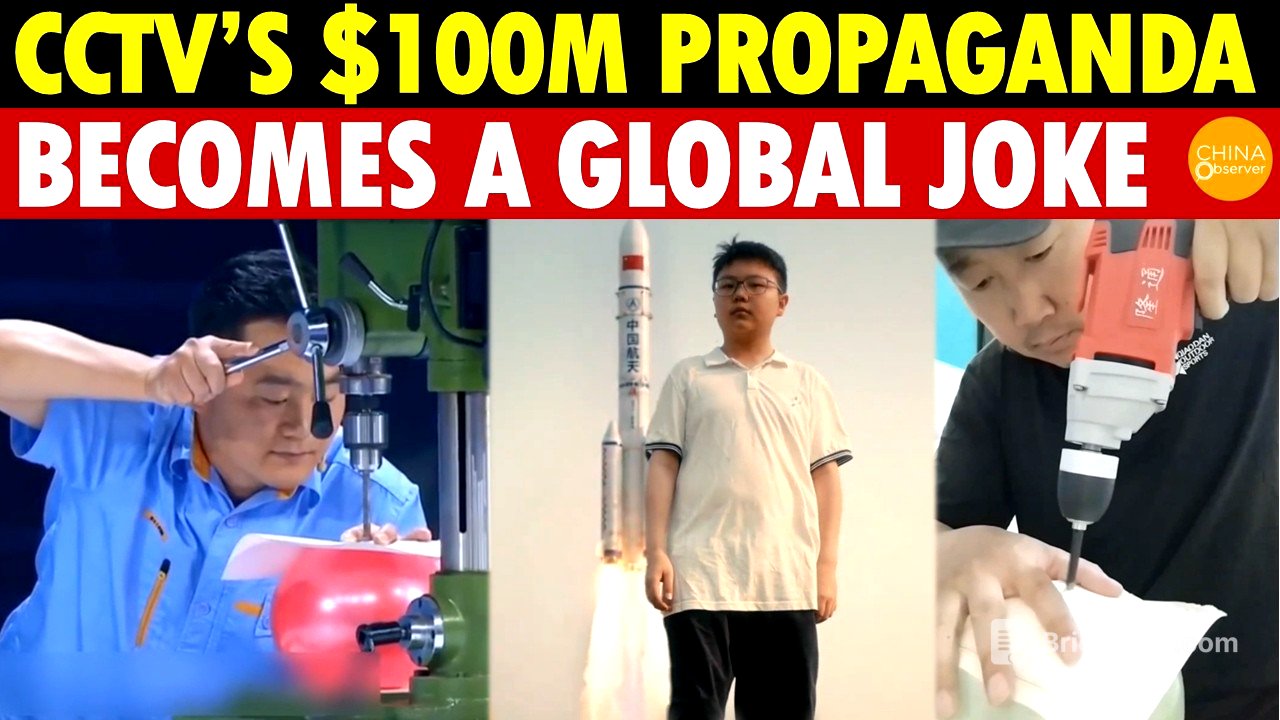
For over a decade, the Chinese Communist Party has celebrated the image of the "great nation craftsman." Recently, however, this idea has become a target of ridicule among netizens in China. A humorous video showcases an ordinary person successfully drilling through a paper on a balloon, mimicking a televised performance by a supposed master craftsman. This demonstration highlights the discrepancy between high-level skills showcased by state media and actual, easily replicable actions performed by average individuals. Online reactions reveal a consensus that the supposed special skills previously presented are now accessible, with many comments celebrating the ubiquity of such skills and the affordability of technology.
Parodying the Craft [3:23]
The video encourages users to recreate the drill demonstration, leading to various humorous interpretations. One woman mimics the actions of a "great nation craftsman," exaggerating the techniques promoted by state media, which further emphasises the absurdity of certain claims made about craftsmanship. This parody illustrates how the once-respected term has devolved into a source of humour, with users mocking the exaggerated claims about artisan skills. The commentary further develops the comedic narrative by parodying the precision needed for certain tasks, contrasting the sophisticated portrayal in official media with everyday realities.
The Hand-Polished Myth [6:15]
The video shifts focus to a polishing technician named Yui, heralded for polishing aerospace components to a claimed level of 5 nanometers, a feat that seems scientifically implausible. The promotions around Yui suggest he could achieve unparalleled precision through sheer talent, contradictory to scientific understanding. Critics on social media challenge these claims, drawing attention to the absurdity of sensing nanometer-scale objects with human touch and critiquing the absence of modern machinery in the narrative. The discussion raises questions about the integrity of the claims and the implications for scientific credibility in patriotic narratives.
The Great Nation Craftsman Initiative [10:30]
The "Great Nation Craftsman" initiative established targets for training skilled workers, aiming to produce thousands of craftsmen annually. This government program reflects a systematic approach to craft development, contrasting with the previous practice where exceptional workers were discovered post-factum. Under the initiative, training regimens and certification processes have been formalised, and participation has become a part of a structured system of publicity. The video illustrates how the necessary narrative embellishments and targets lead to exaggeration in storytelling around craftsmanship, resulting in widespread scepticism about the authenticity of such celebrated individuals.
The Turbo Jet Engine Model Controversy [14:29]
The video presents the story of a 14-year-old boy, Ching An, claiming to have built a turbo jet engine model. Initial reports inflate his achievements, labelling him a genius, but subsequent investigations reveal inconsistencies and errors in his understanding of engineering principles. As the narrative evolves, critiques emerge regarding the nature of his claims, including the questionable acquisition of hazardous materials and the lack of technical expertise displayed in reports. The ensuing public scrutiny leads to a formal endorsement from an aviation corporation, raising further doubts about the motivations behind promoting such a narrative. The situation highlights the disconnection between sensationalised media portrayals and the challenges of genuine expertise in the tech industry.
The Implications of Exaggeration [19:41]
The video concludes by examining the broader implications of exaggerated narratives surrounding individual achievements in China. It points out that promoting such inflated success stories not only undermines scientific integrity but also reflects a cultural inclination towards storytelling that prioritises sensationalism over factual accuracy. Individuals who seek to gain recognition for their achievements without substantiation create a landscape where the line between fact and fiction blurs. The video suggests that true progress in craftsmanship and engineering requires respect for fundamental principles and an honest approach to skill development, criticising the trend of prioritising national pride over factual honesty.